Best fragrance-free bath salts for sensitive, reactive skin

Best named pick: Bathe in Luxury Unscented Epsom Salt for a fragrance-free bath ritual. Best label-first alternative: plain, single-ingredient magnesium sulfate with an explicit fragrance-free label. This 2026 guide helps you choose a quieter kind of luxury: no scent layering, no elaborate bath cocktail, just a considered soak.
- For an epsom salt fragrance free search, choose an explicit fragrance-free claim and check the full ingredient list.
- Bathe in Luxury Unscented Epsom Salt is the named pick for shoppers avoiding added bath fragrance.
- Plain magnesium sulfate is the alternative when you want a single-ingredient formula.
- Fragrance-free bath salts do not guarantee that sensitive, reactive skin will tolerate a soak.
Why this matters
A beautiful bath does not need perfume. If scented products leave your skin uncomfortable, choosing bath salts starts with what you leave out—not how many botanicals you add.
Bathe in Luxury sells handcrafted, cold-processed soap and bath essentials, but this decision is narrower than choosing a favorite scent. For fragrance-free bath salts, the formula matters more than the mood promised on the package.
Keep the distinction clear: a product can suit your fragrance preference without being suitable for every skin condition. If your skin is actively inflamed, broken, or repeatedly reacting to bathing products, ask your dermatologist before introducing a salt soak.
What makes the best fragrance-free bath salts?
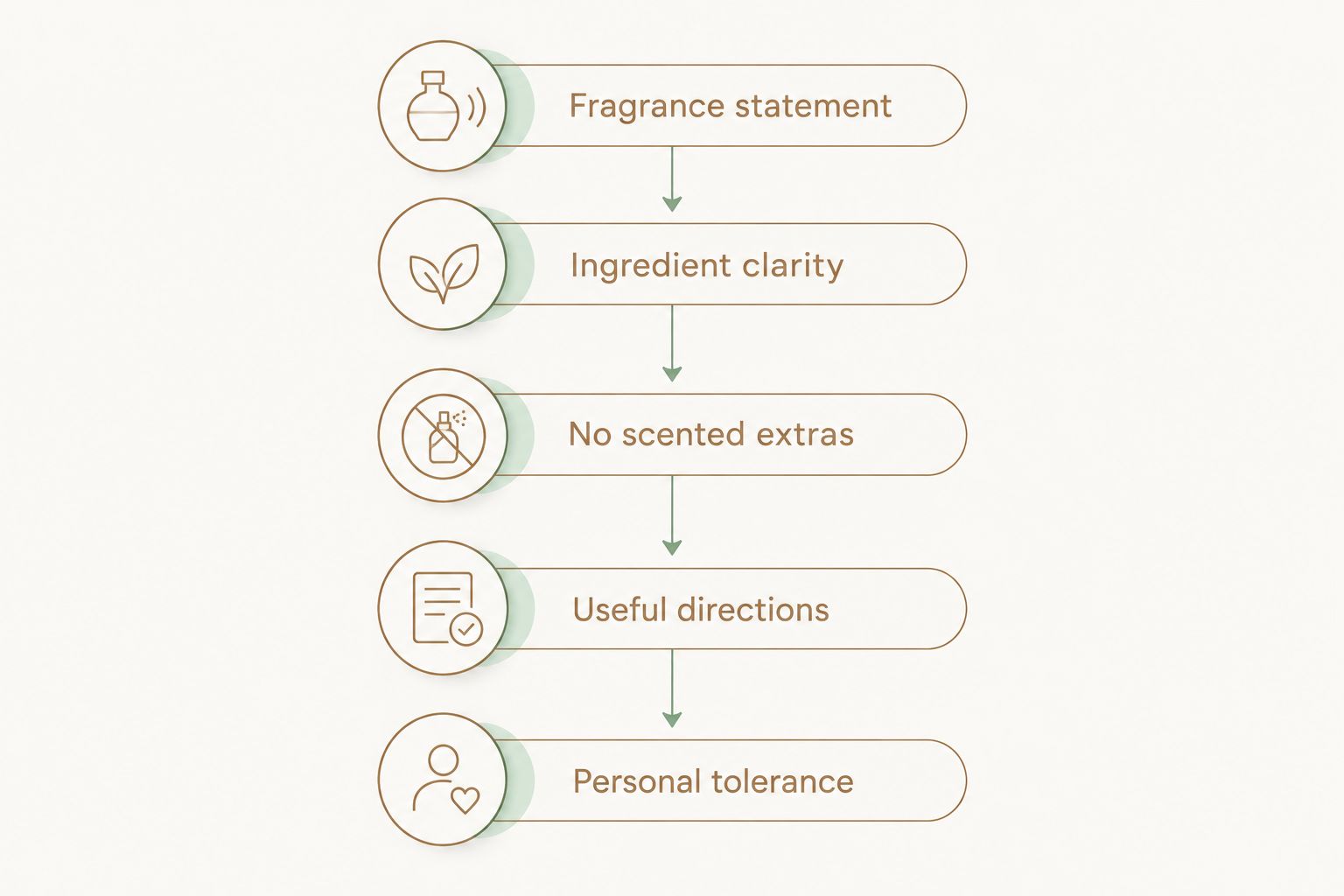
Use these 5 shopping checks before you compare names, packaging, or spa-night promises. They are the basis of this 2026 shortlist.
- Fragrance statement: Look for an explicit fragrance-free claim, not simply a delicate, clean, or barely-there scent.
- Ingredient clarity: Read the complete ingredient list. Magnesium sulfate is Epsom salt; other ingredients need their own assessment.
- No scented extras: Essential oils, perfume, and fragrant additions do not belong in a strictly fragrance-free bath.
- Useful directions: Choose a product with clear bath-use instructions rather than guessing an amount from another package.
- Personal tolerance: A simple formula is easier to assess, but it is not a promise of irritation-free use.
Do not let craft language replace those checks. Handcrafted soap and fragrance-free bath salts answer different shopping needs, and neither “natural” nor “luxury” establishes skin compatibility.
Read the ingredient panel before the scent story. That order keeps an indulgent purchase practical.
Fragrance-free bath salts at a glance
These 2 choices serve different shopping approaches. The first is a named product with an explicit fragrance-free description; the second is a formula category you can assess wherever you shop.
| Option | Best for | Standout detail | Key limitation |
|---|---|---|---|
| Bathe in Luxury Unscented Epsom Salt | A named fragrance-free bath option | Described as pure magnesium sulfate with no added fragrance | The description does not establish individual skin tolerance |
| Plain, single-ingredient magnesium sulfate | Ingredient-first shopping | A formula consisting of magnesium sulfate alone | You must verify the actual package; a generic category is not a product guarantee |
This is not a clinical ranking. The table compares the buying decision, not treatment results, and the options overlap: a named fragrance-free product can also have a simple formula.
1. Unscented Epsom Salt: best for a named fragrance-free ritual
Bathe in Luxury Unscented Epsom Salt is described as a pure, fragrance-free soak made with magnesium sulfate and nothing added. It is the direct match in this shortlist when your priority is avoiding a deliberately scented bath.
Bathe in Luxury Unscented Epsom Salt is best for shoppers who want a named fragrance-free bath salt rather than a scented spa blend. That is a shopping verdict, not a claim that the product treats reactive skin.
The appeal is restraint. You can make the ritual feel personal with a clean towel, soft lighting, and a little privacy without adding perfume to the water.
Unscented Epsom Salt pros:
- Its description explicitly says fragrance-free, rather than relying on the product name alone.
- Magnesium sulfate is identified as the bath-salt base.
- The no-added-fragrance approach fits a routine that avoids scent layering.
Unscented Epsom Salt cons:
- Fragrance-free does not establish suitability for your particular sensitivities.
- A salt soak is still an additional product exposure, not the same as bathing in plain water.
- You still need to follow the package directions and assess the current ingredient label.
Best for: A shopper who wants a specific fragrance-free bath product and values a simple ritual.
Verdict: Buy for the explicit fragrance-free positioning, not for a promise of treating sensitive skin.
2. Plain magnesium sulfate: best for ingredient-first shopping
Plain magnesium sulfate is the formula category to look for when you want Epsom salt without a scent blend. Choose an actual bath-use product whose ingredient list contains magnesium sulfate alone and whose label explicitly confirms it is fragrance-free.
The distinction matters. A large “Epsom salt” name on the front does not tell you whether the product also contains fragrance, color, or other additions.
For your 2026 shopping list, make the ingredient panel the deciding evidence. A floral image is not an ingredient list, and plain packaging is not proof of a plain formula.
Plain magnesium sulfate pros:
- A single-ingredient list makes the formula straightforward to inspect.
- It lets you separate the salt itself from added fragrance when comparing products.
- It keeps the buying decision focused on composition rather than a scent collection.
Plain magnesium sulfate cons:
- This is a product category, so formulas and directions must be checked package by package.
- A simple ingredient list still does not guarantee comfortable use.
- It offers no scented experience if fragrance is what you enjoy about bathing.
Best for: A shopper willing to inspect the label rather than choose by a product name.
Verdict: Buy only when the actual package confirms the formula and intended bath use.
How the choices are ranked
The named product comes first because its supplied description explicitly identifies a fragrance-free magnesium sulfate soak. The formula category comes second because it gives you a practical alternative, but requires product-by-product verification.
Both choices follow the same criteria: fragrance statement, ingredient clarity, no scented extras, useful directions, and personal tolerance. Neither earns a claim of being universally safe for sensitive skin.
The best fragrance-free bath salt is the one whose label meets your requirements—not the one with the most comforting adjectives.
Fragrance-free versus unscented: read beyond the front label
“Unscented” and “fragrance-free” are not interchangeable shopping shortcuts. An unscented product can contain ingredients used to mask an odor, while fragrance-free labeling is intended to identify products without added fragrance.
That is why the named pick rests on its explicit fragrance-free description, not just the word “Unscented” in its name. Apply the same standard to every other package you consider.
Do not mistake a soft scent for no fragrance
Lavender, vanilla, clean linen, and other scent descriptions belong to a different decision. A scent can sound gentle and still be a scent.
If avoiding fragrance is your goal, do not substitute “lightly scented” for fragrance-free. You are choosing an absence, not the quietest perfume.
Essential oils still count as scented additions
Plant origin does not make an aromatic ingredient fragrance-free. Essential oils can contribute fragrance, and “natural” does not establish that a product will suit reactive skin.
Keep the ingredient decision separate from whether you enjoy botanical scents. A pleasant smell is not evidence of tolerance.
Build a quieter bath ritual in 2026
You do not need to turn a fragrance-free soak into a project. Set out what you already use comfortably, then keep the bath itself uncomplicated.
Start with a clean tub, comfortably warm water, and the product's own directions. Avoid borrowing a scoop amount from a different salt blend; instructions belong to the formula and package you bought.
Leave bubble bath, bath bombs, scented oils, and scrubs out of the same session when assessing a new soak. If you combine several new products, identifying what caused discomfort becomes harder.
Keep the after-bath step familiar
After bathing, use a moisturizer you already tolerate rather than introducing another unfamiliar formula. If you are comparing hyaluronic acid body lotions, the full ingredient list and fragrance status matter alongside the headline ingredient.
Hyaluronic acid on the front label does not tell you whether a lotion contains perfume. Treat the bath salt and the moisturizer as separate label checks, even when both belong to the same evening ritual.
Let the room supply the indulgence
A folded towel. Fresh sleepwear. A closed door. Those details make space for yourself without adding another ingredient to the water.
Skip scented candles if your aim is a fragrance-free room as well as a fragrance-free bath. Choosing unscented bath salts does not remove fragrance from everything around the tub.
When plain water is the better choice
Plain water is not a bath salt, but it deserves a place in the decision. You do not need an additive to make bathing feel deliberate.
If you are unsure whether a salt soak suits your skin, skip the new product rather than building a more complicated blend. For active irritation or a diagnosed skin condition, get individual guidance before experimenting.
Do not treat stinging as proof that a product is working. Stop using a product that causes discomfort, and seek medical advice for a persistent or significant reaction.
The useful question is not whether Epsom salt sounds soothing. It is whether adding that particular product makes sense for your skin and your routine.
Which fragrance-free bath salts should you choose?
For a named option in 2026, choose Unscented Epsom Salt on the strength of its explicit fragrance-free description. Check the current label and follow its directions before use.
For an ingredient-led alternative, choose plain magnesium sulfate only after confirming the full formula and bath-use instructions. Do not assume every product carrying the Epsom salt name is identical.
If your skin is already uncomfortable, keep the purchase separate from the need for care. A luxury bath product is an optional ritual, not a treatment you have to try.
FAQ
What's the best fragrance-free Epsom salt for sensitive skin?
Bathe in Luxury Unscented Epsom Salt is the named fragrance-free pick in this guide, not a universal sensitive-skin recommendation. Its description identifies a fragrance-free magnesium sulfate soak; individual tolerance still needs separate consideration.
What should I check when searching for epsom salt fragrance free?
Check for an explicit fragrance-free statement, the complete ingredient list, and bath-use directions. Do not rely on the words Epsom salt or unscented alone.
Is unscented Epsom salt always fragrance-free?
No, the word unscented alone does not establish that a product contains no added fragrance. Read the fragrance statement and ingredient list together.
Are lavender bath salts fragrance-free?
Bath salts scented with lavender are not fragrance-free. If avoiding fragrance is your priority, choose a product explicitly labeled fragrance-free rather than a softer-sounding scent.
Can I add essential oils to fragrance-free bath salts?
Adding essential oils makes the bath scented rather than fragrance-free. Keep them out when your purpose is to avoid added fragrance.
How much fragrance-free Epsom salt should I put in a bath?
Use the amount specified on your product's package. Do not transfer dosing instructions from another bath salt or improvise a stronger soak.
Should I use bath salts when my skin is already irritated?
Ask your dermatologist before introducing bath salts to actively irritated, broken, or repeatedly reactive skin. Fragrance-free labeling does not make a bath product a treatment or guarantee comfortable use.
One last thing
The simplest upgrade for your 2026 bath ritual might be subtraction. Before buying another additive, decide what you want to leave out: perfume, scent mixing, or the pressure to make every soak elaborate.
Keep the towel soft and the formula considered. Luxury can be a bath with nothing extra to prove.